
Services
Eyecare Services in Portland

Low Vision Therapy
Low vision is a term for conditions that result in reduced sight and cannot entirely be corrected with eyeglasses, contact lenses, medicines or surgery. Several eye diseases or conditions can cause low vision and here we will discuss the four most common causes of low vision and their risk factors.

Amblyopia (Lazy Eye)
Amblyopia, also known as a “lazy eye”, is described as a reduced vision in one eye compared to the other. There are some rare forms of amblyopia that involve both eyes. Amblyopia is the most common cause of partial or total blindness in one eye in children.

Myopia
Myopia is a very common condition around the world, but its prevalence does not mean it should be taken lightly.
Learn More
Blepharitis
Our eyes are extremely delicate, yet they can be subjected to harsh conditions and other environmental factors that affect their health. One of the problems that can affect our eyes is an accumulation of dirt, debris and bacteria on the eyelids.

Dry Eye Syndrome
Dry Eye can have a major impact on your quality of life. You may find your eyes get tired faster or you have difficulty reading.
Learn More
Strabismus
Strabismus is a relatively common condition, affecting about 2-4% of the population worldwide. It is one of the most frequent eye disorders seen in children, though it can also develop in adults due to conditions like stroke or trauma.

Cataracts
If you’ve been diagnosed with cataracts, you may wonder if cataract surgery is right around the corner. Not to worry. There are many preventive steps you can take to slow the progression of cataracts and preserve your vision. That doesn’t mean you won’t eventually need surgery, but you can at least delay the need for quite a while.
Learn More
Conjunctivitis (Pink Eye)
When you were a kid, did you experience your eyes become reddish and all of a sudden, someone close to you was also suffering from it? Your eyes, as well as those who contracted it, got itchy and swollen, right? Then it must have been that you were suffering from pink eye.

Astigmatism
Astigmatism is a common refractive error that occurs when the cornea or lens of the eye is not perfectly spherical. Instead of having a uniform, rounded shape, the cornea or lens has a slightly more curved or irregular shape, resembling more of an oval or football-like appearance.

Computer Vision Syndrome
Just a few decades ago, computer vision syndrome (CVS) was not known or understood. However, with an increase in the role of computers in our lives, it has become an increasingly common issue.
Learn More
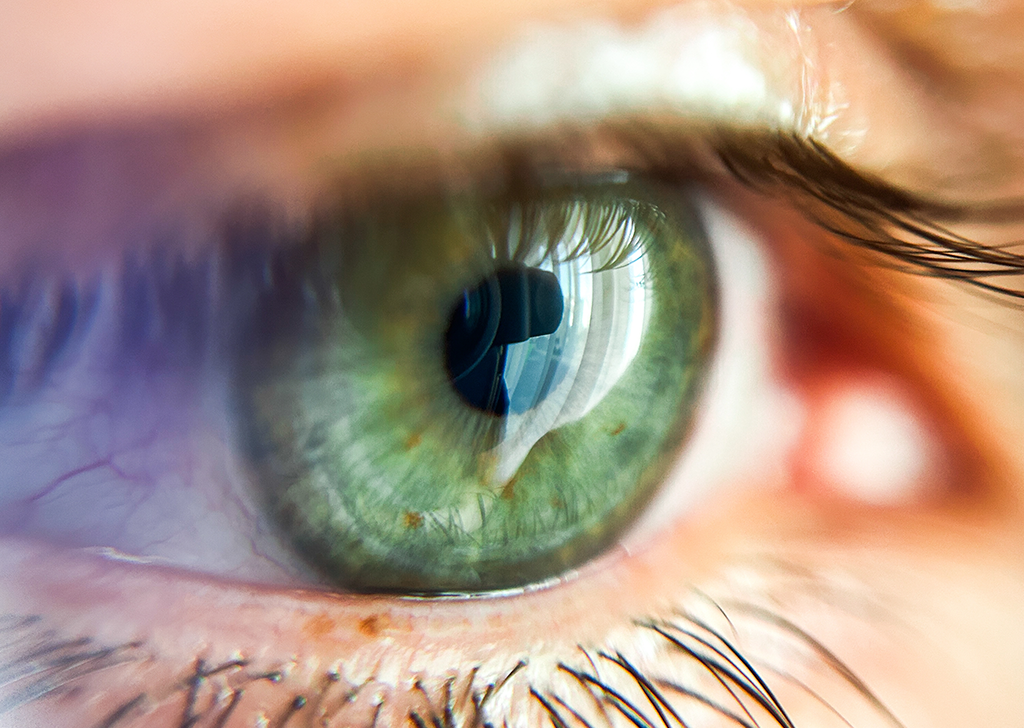
LASIK Evaluation
LASIK is the number one elective surgical procedure today, and more than a million Americans have had the procedure since its inception.
Learn More
Presbyopia (Aging Eyes)
Presbyopia is a natural and inevitable part of aging that affects the eyes' ability to focus on close objects. Unlike other vision conditions, presbyopia isn’t caused by the shape of the eye or structural abnormalities but is instead a result of the eye’s lens losing its flexibility over time.

Ortho-K
Many patients come to us every day struggling to get through their daily lives with their current choice of vision correction. Some have eyeglasses that do not sit properly on their face or feel that their peripheral vision is hindered by the frames. While contact users may find the lenses uncomfortable or have them fall out at inconvenient times.
Learn More
Diabetic Eye Disease
You have almost certainly heard of diabetes, which is one of the most common chronic health conditions in the United States with an estimated 100 million adults currently living with diabetes or pre-diabetes.
Learn More
Glaucoma
If you’ve been diagnosed with glaucoma, you’re probably already familiar with the typical options in glaucoma treatment – eye drops, laser treatment or traditional surgery.
Learn More
Macular Degeneration
Macular degeneration, commonly referred to as age-related macular degeneration (AMD), is the single largest cause of sight loss in the developed world and affects more than 10 million Americans.
Learn More© 2026 Hawthorne Vision Center . All rights Reserved - Accessibility Statement - Privacy Policy - Sitemap
Managed and Designed by 